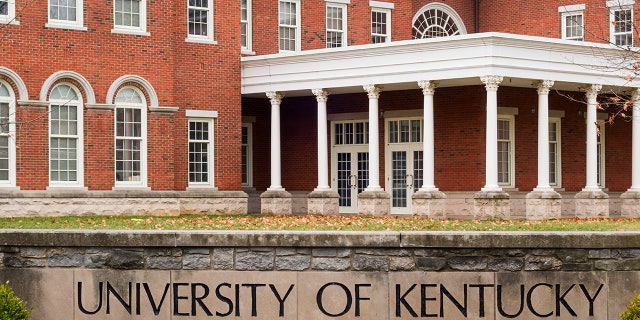
The University of Kentucky in Lexington, Kentucky offers a variety of campus living, dining, and recreational options for students.
Greek-letter organizations
Social organizations
There are 14 sororities and 25 fraternities that serve the University of Kentucky
Sororities
Fraternities
Honor societies
- Omicron Delta Kappa
- Alpha Psi Omega
Campus dining
Religion and life-philosophy
Religious organizations are some of the most popular, active, and relevant groups on the University of Kentucky's campus.
Bahá'í faith
- Baha'i Association
Buddhism
- Buddhist Studies Group
- SGI Buddhist Student Association
Christianity
- Baptist Campus Ministries
- Christian Student Fellowship (Christian churches and churches of Christ)
- Catholic Newman Center
- Fellowship of Catholic University Students
- Wesley Foundation
Islam
- Muslim Student Association
Judaism
- Chabad at UK/Chabad on Campus
- Hillel Foundation
Non-religious philosophy groups
- Secular Student Alliance
Campus recreation
The university has several campus recreational facilities. The Johnson Center, a 12,000-square-foot (1,100 m2) two-story structure located at South Campus, features basketball, volleyball, badminton, racket ball, and wallyball courts, along with weight-lifting facilities, and rock climbing walls. The Seaton Center, part of the Johnson Center, features basketball, volleyball, badminton, jogging, squash, table tennis, and racquetball facilities. The Lancaster Aquatic Center, located next to the Johnson Center, opened in 1989.
In 2018, the north campus' Alumni Gym Fitness Center opened as part of the Student Center expansion. It was a renovation of the historic Alumni Gymnasium, which was home to UK men's basketball from 1924 to 1950.
Residence halls
Campus safety
The university has had issues with safety on campus. In a survey of 1,000 female university students, conducted in the spring of 2004, 36.5% reported having been victims of rape, stalking, or physical assault while on campus. While campus law enforcement statistics do not match the survey results, campus officials have taken steps to increase safety.
In response to the survey, university president Lee T. Todd, Jr. launched an initiative in September 2005 titled the Campus Safety Imperative, which included a quadrupling of annual expenditures on safety. Todd specifically linked campus safety to the goal of becoming a top-20 public research institution, stating that "We will never make gains toward becoming a top-twenty public research institution if our students are unsafe or if they lack a sense of physical security. It is part of our fundamental mission, then, to create a campus that provides a safe place to live, to work, and to learn."
References